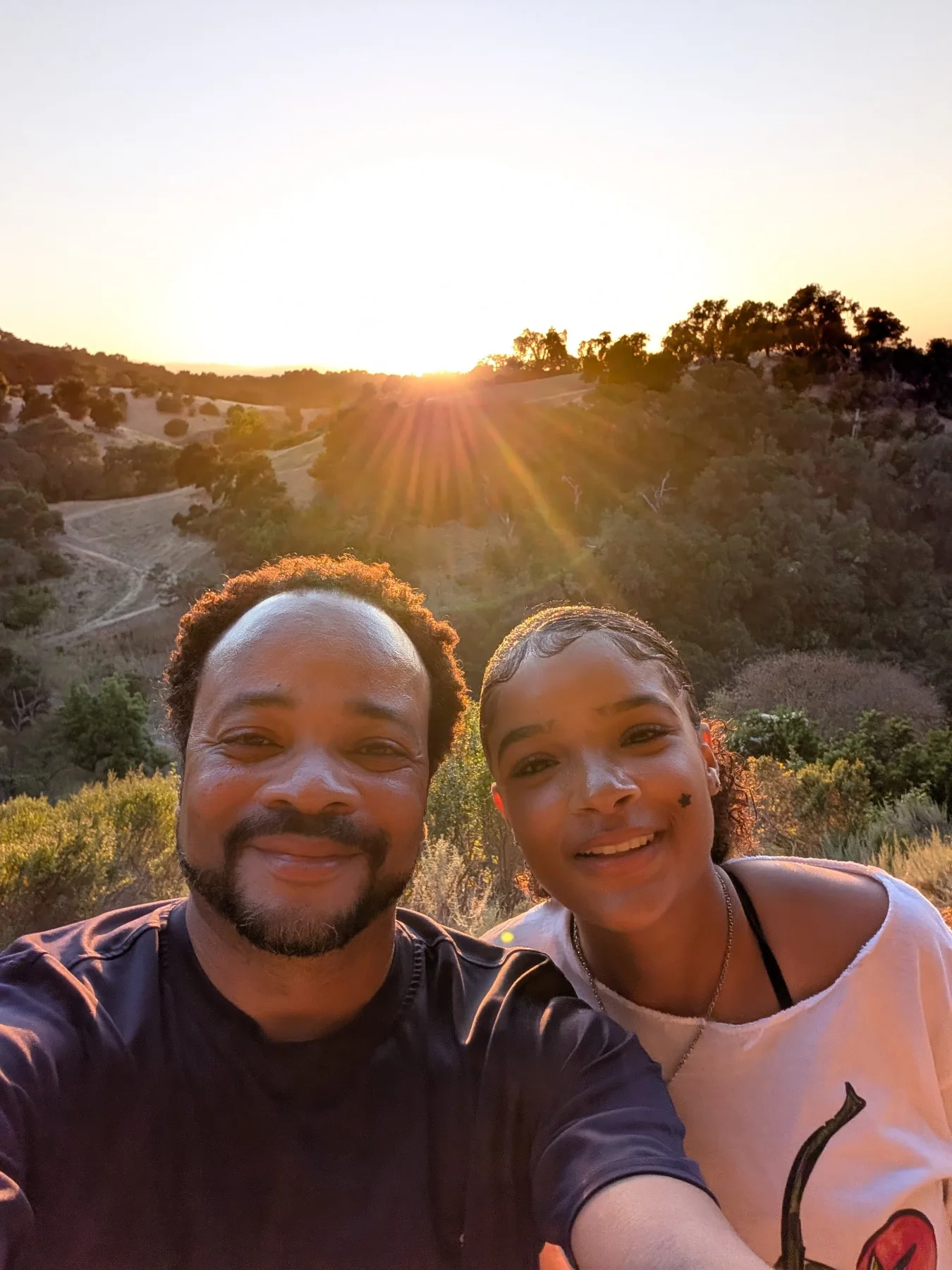
Nearly five months ago, I wrote Gridfinity, Pain, and the Junk Drawer and Slow Hands, Full Heart. I’d been on quite the personal adventure with severe, persistent neuropathic pain caused by compression of multiple cervical nerve roots.
I’m thankful and happy to report that I am now nearly pain-free and have recovered well from the spine surgery to address this.
Hope, Then Pain
The day I wrote Slow Hands, Full Heart, I’d had a selective nerve root block—both to alleviate the pain and help diagnose it. For a few days, I felt fantastic! The range of motion in my arm returned almost instantly. The nerve firings went silent. My pain was just gone. Hope!
Then the pain came back with a vengeance. It felt deeper and more central, shifting from mostly the left side to both sides of my shoulder blades and neck. My left arm got even worse. The nerve firings would continue for hours, every few seconds.
My family had to learn to live with my sudden winces of pain. They’d see my face contort out of the blue, my arm jerk up randomly, or hear me try to stifle a sound when I moved. It was hard for them to watch. That probably bothered me most. I could see the helplessness in my wife and daughter’s eyes.
Eventually, my body developed a natural “Uh!” response to pain spikes. My wife started answering a particularly boisterous one with a James Brown “Good God!” I took that as a sign I’d at least partly convinced my family I would be okay. Small things like that helped me stay positive.
Because the nerve root block worked, even briefly, choosing the next surgery was almost a no-brainer. I could not imagine continuing to live that way, and there weren’t really any non-surgical options left to consider. Bone was pushing on nerve, period.
Stepping Away
Over the prior several months, working had become harder and harder. Some days, it was simply impossible. Despite the incredible support of my manager and team, I could no longer reliably deliver to my own standards. That was hard for me to accept.
I’d known for months that I should probably take time away. After my last spine surgery in 2024, being able to focus completely on recovery had been an incredible fortune. Still, I didn’t want to let my manager or the team down. We had good work in flight, long-horizon commitments, and rapidly changing AI practices and org structures.
A conversation with my good friend and previous manager Ilya finally cut through. He told me flat out: go on disability and get your health in order. Maybe I just needed to hear it. Whatever the reason, I heard him. I notified my manager that night. Thankfully, she—and Cisco—have been nothing but incredibly supportive. More on that later.
Removing the conflict between work, pain management, and healing was a major relief. But one concern remained: I didn’t have a surgery date. I was told I was in a queue stretching back to December, so I expected about a three-month wait. At least that gave me a horizon. I could settle in, bear down, and deal with it. But as days became weeks and weeks became months, optimism got harder to maintain.
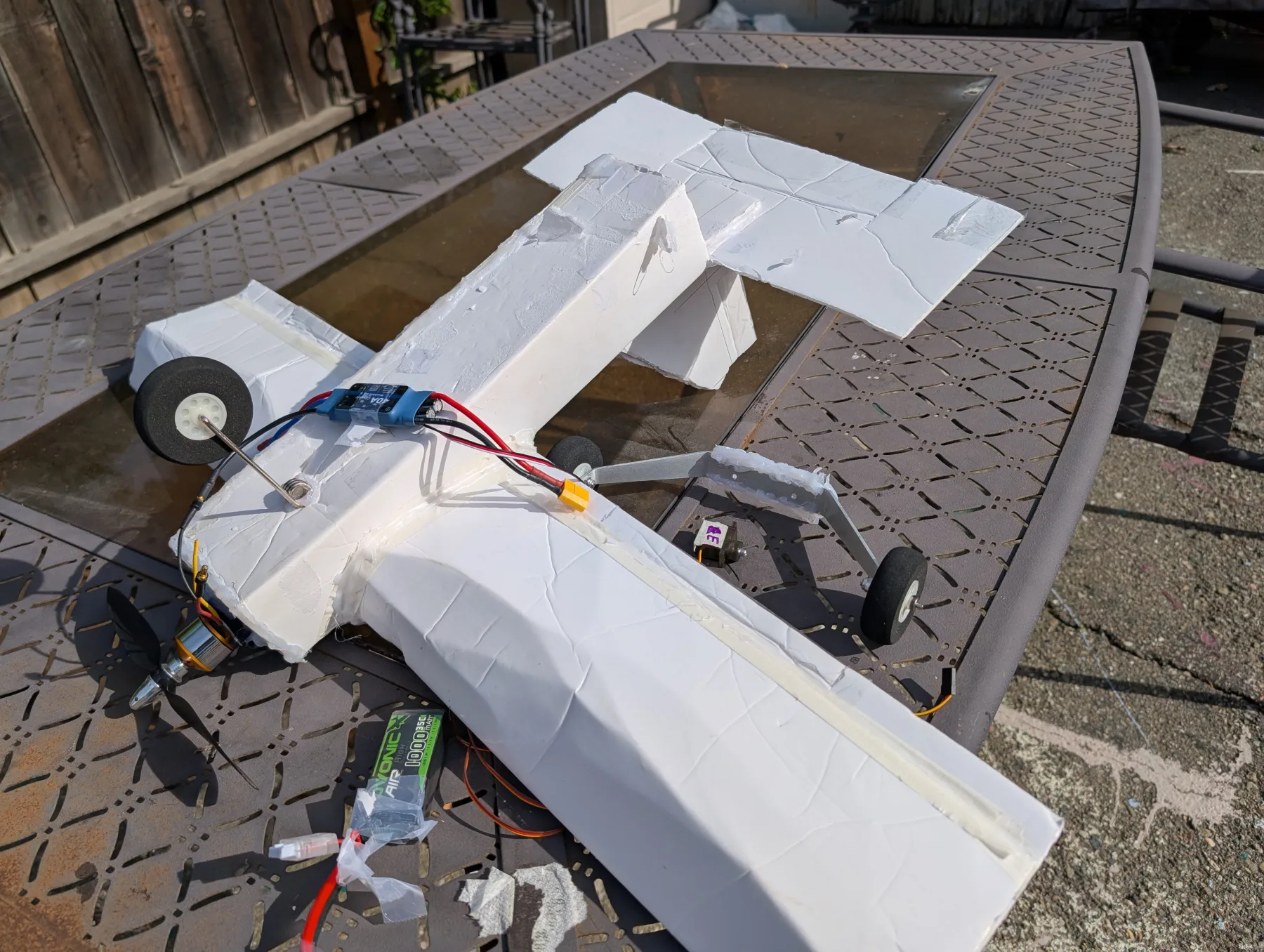
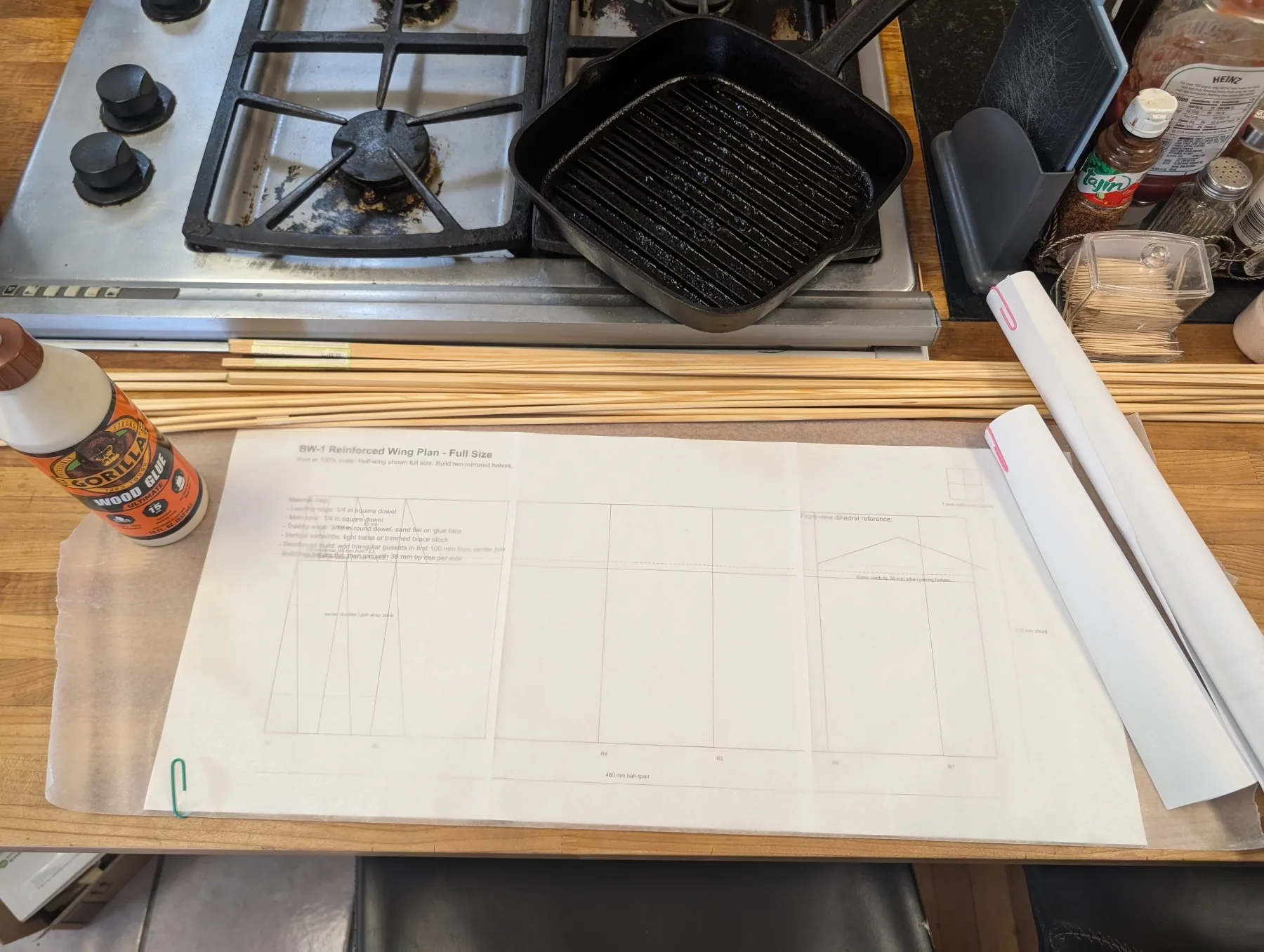
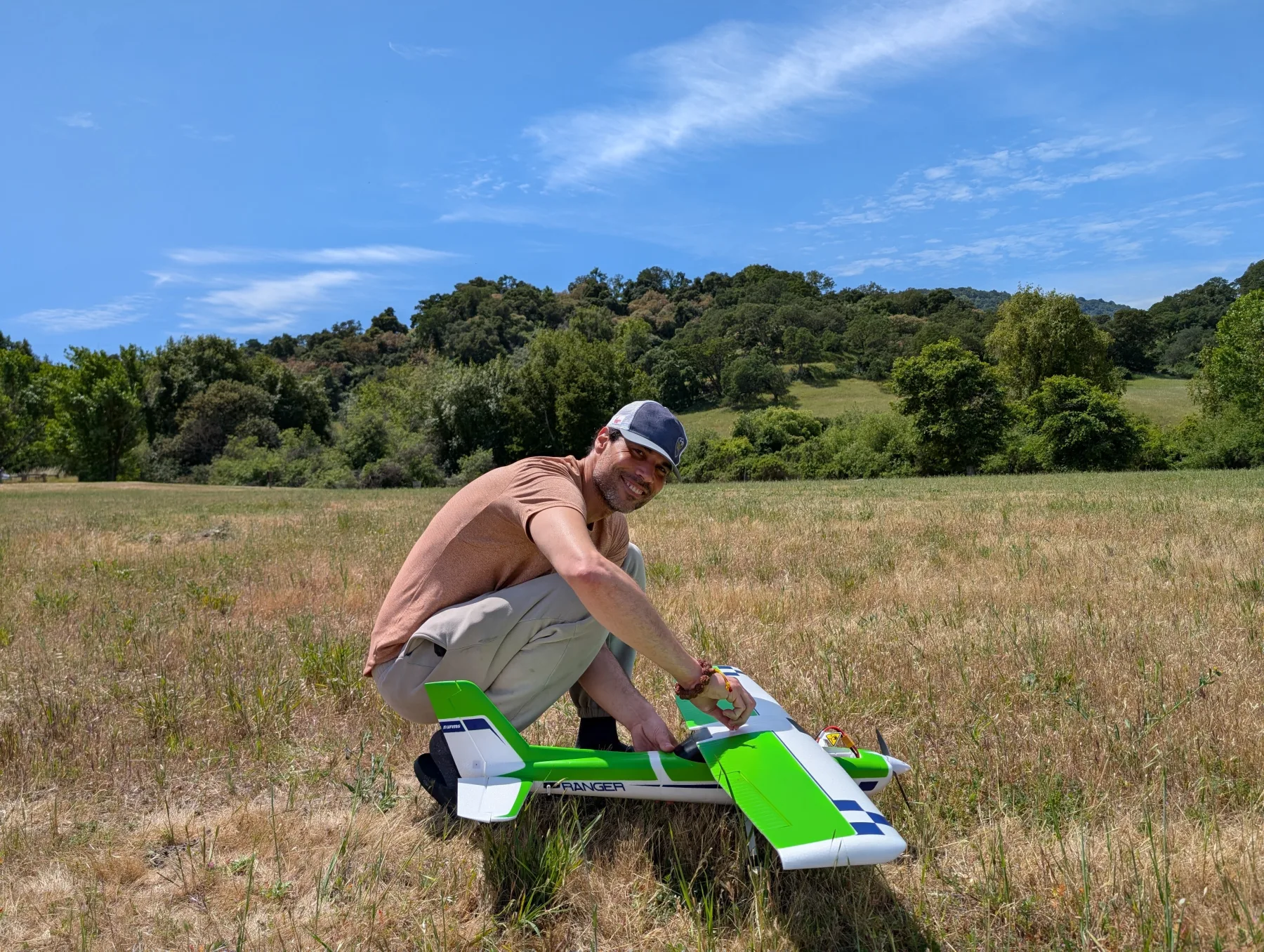
I tried to keep my mind busy, but while work no longer occupied my time, my body still would not cooperate. I couldn’t sit at a computer or type for more than a few minutes. I couldn’t play instruments without the pain flaring. I couldn’t stand long enough to assemble the next part of my RC plane’s airframe. Driving became too difficult. Even holding a book or my phone for more than a few minutes was exhausting.
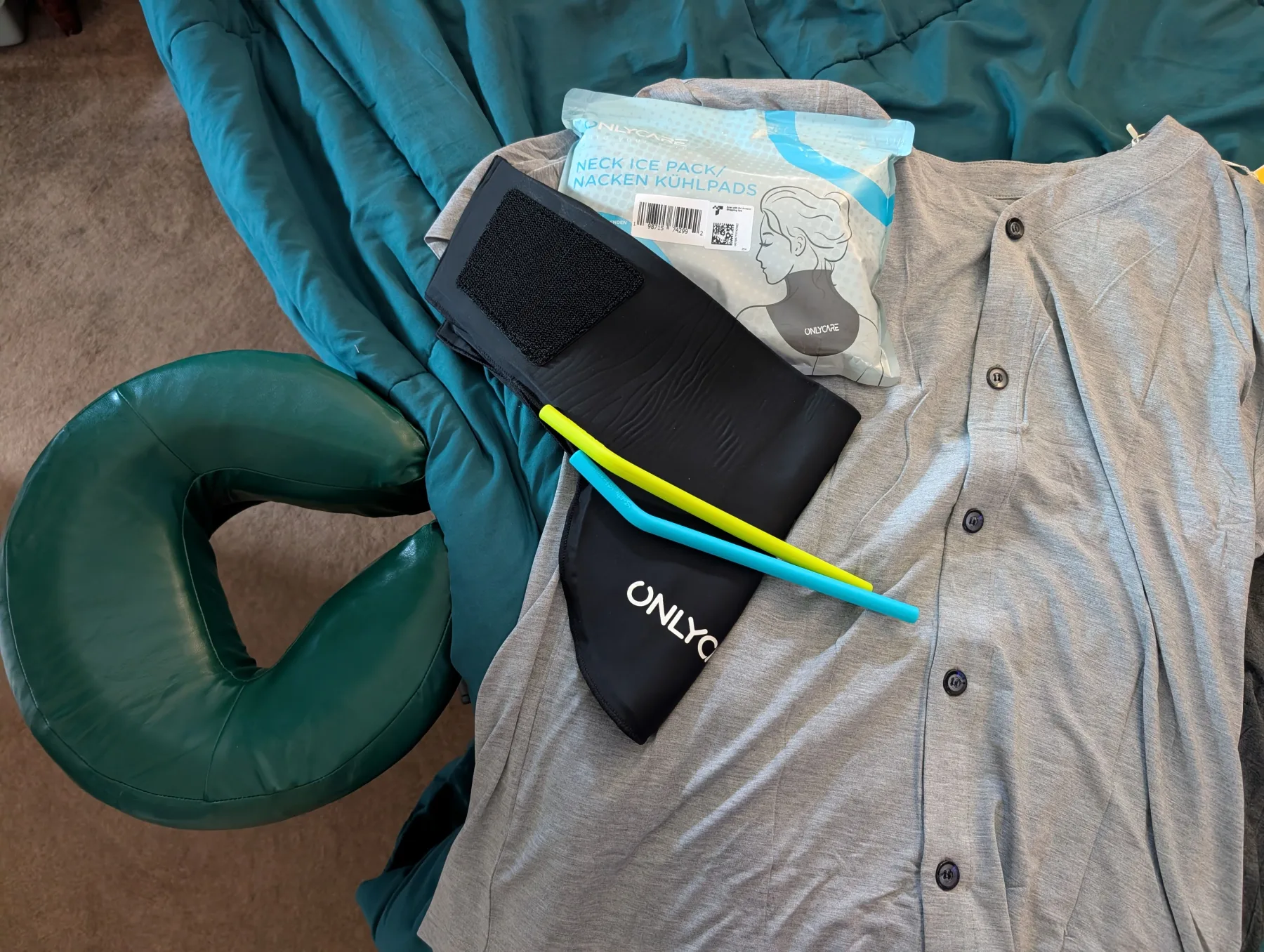
This was, at times, very difficult to accept. However, I found ways to cope.
What Is Still Possible?
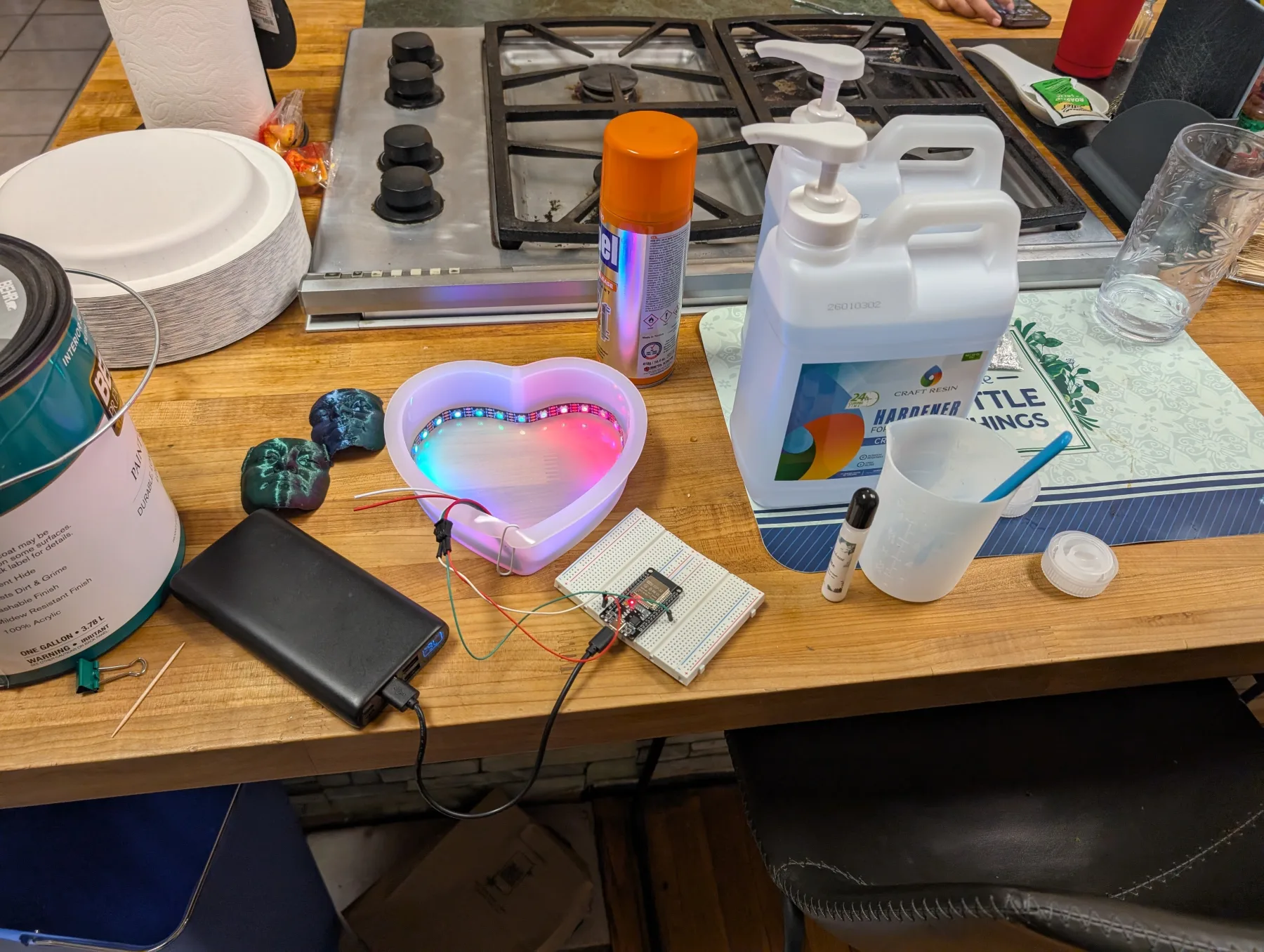
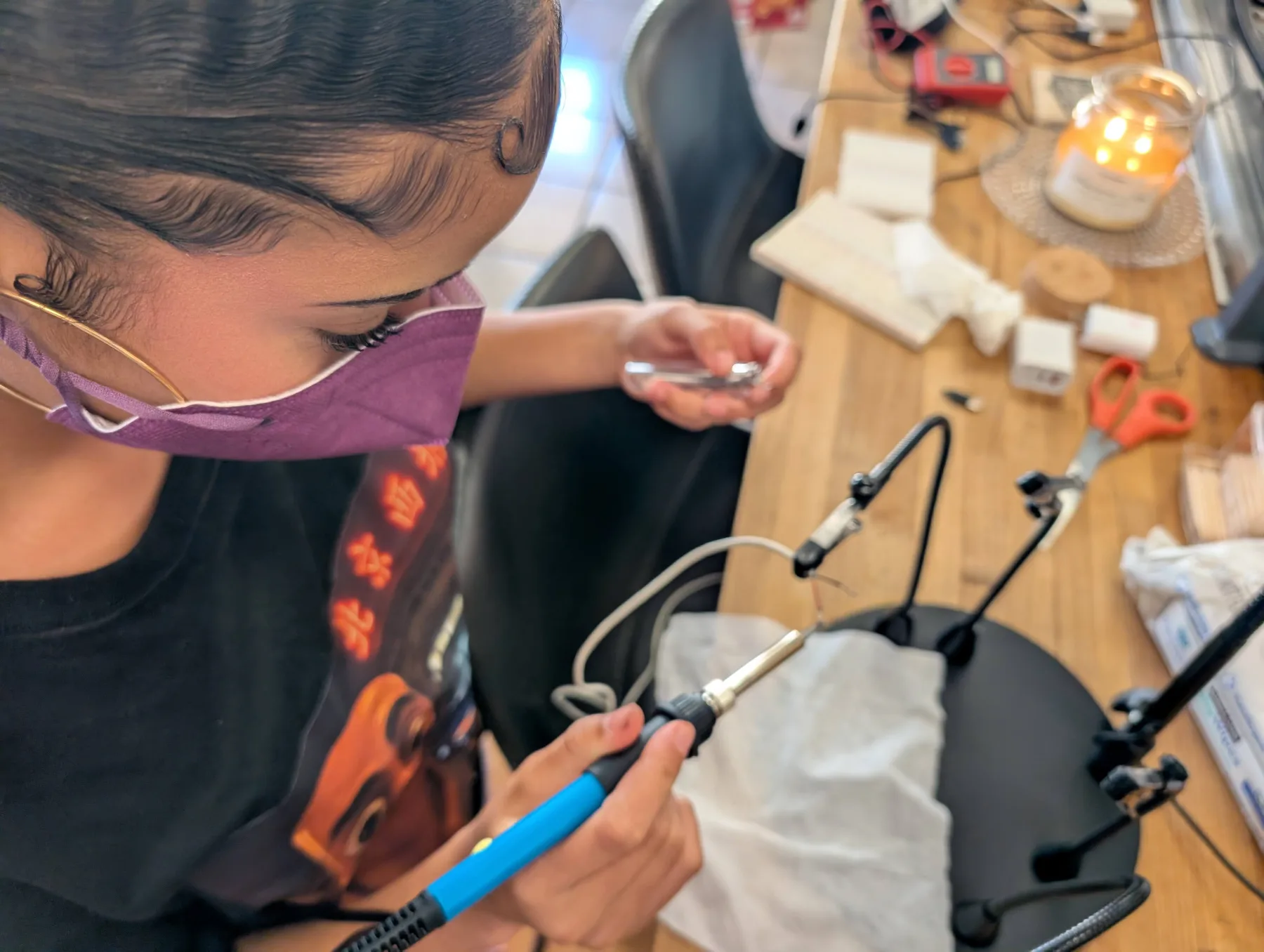
First, I genuinely accepted it for what it was. Fine! I can only work on this for five minutes at a time? So be it. I worked on projects when I could and chose ones that required little sustained attention or physical effort.
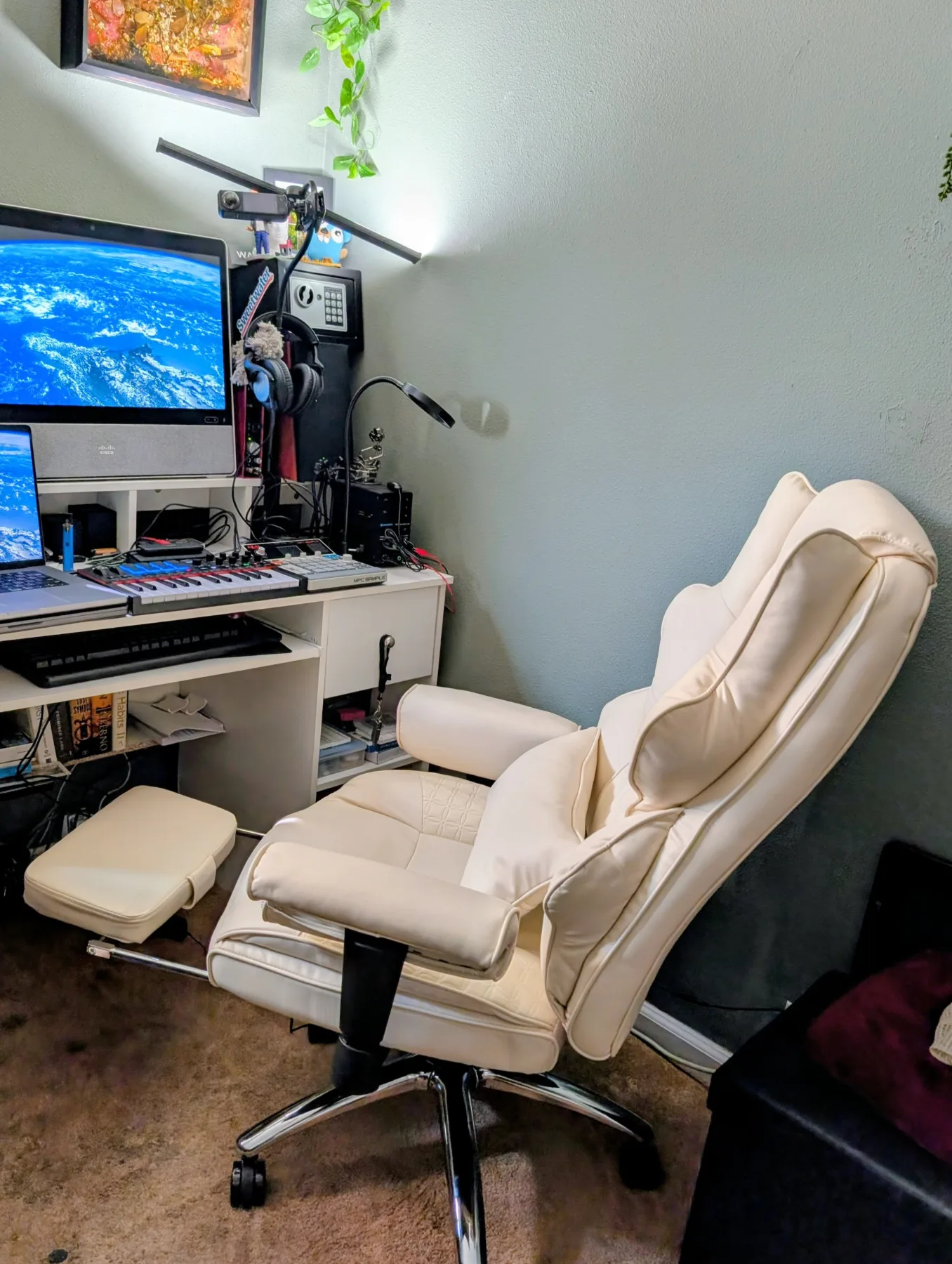
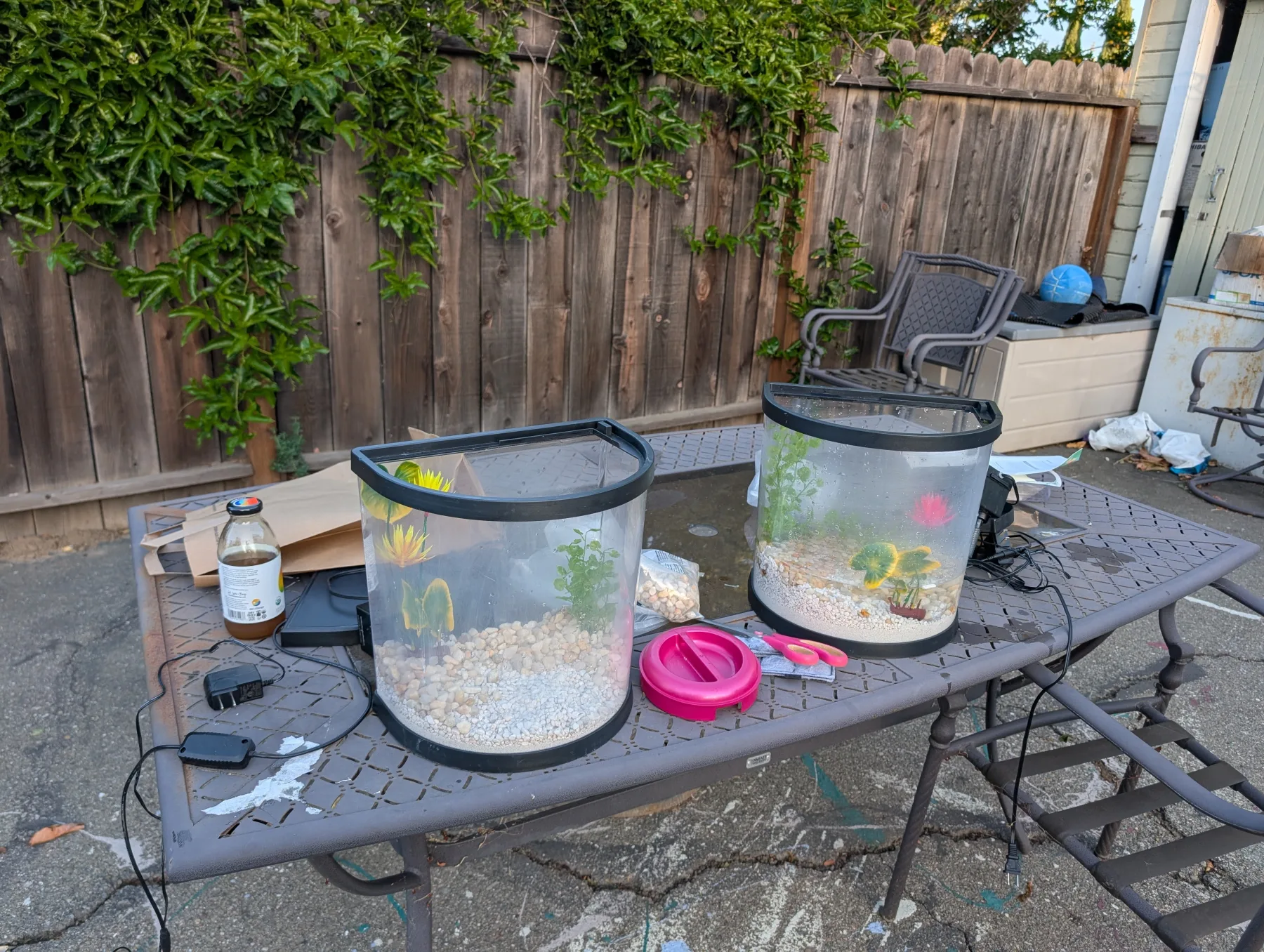
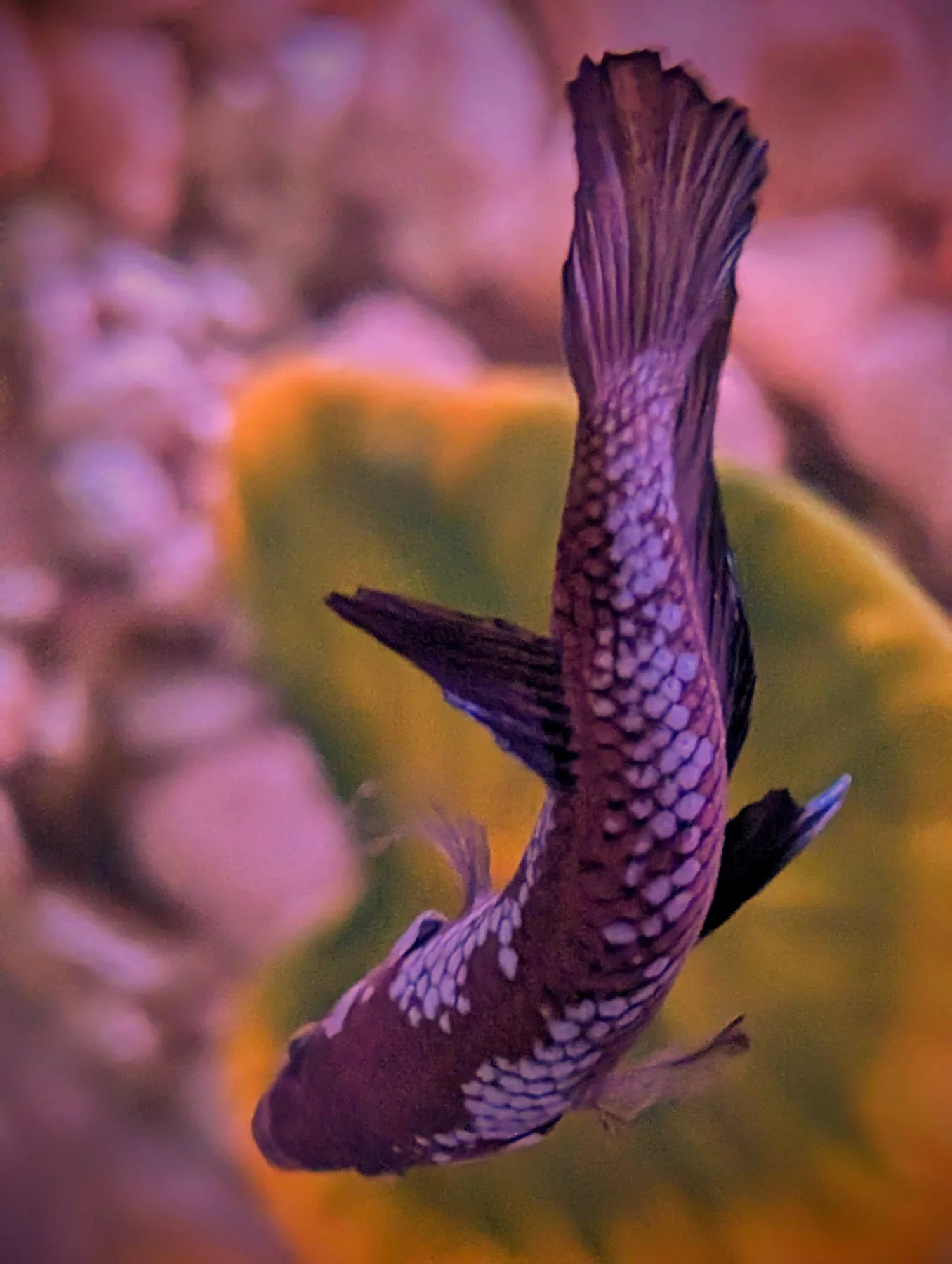
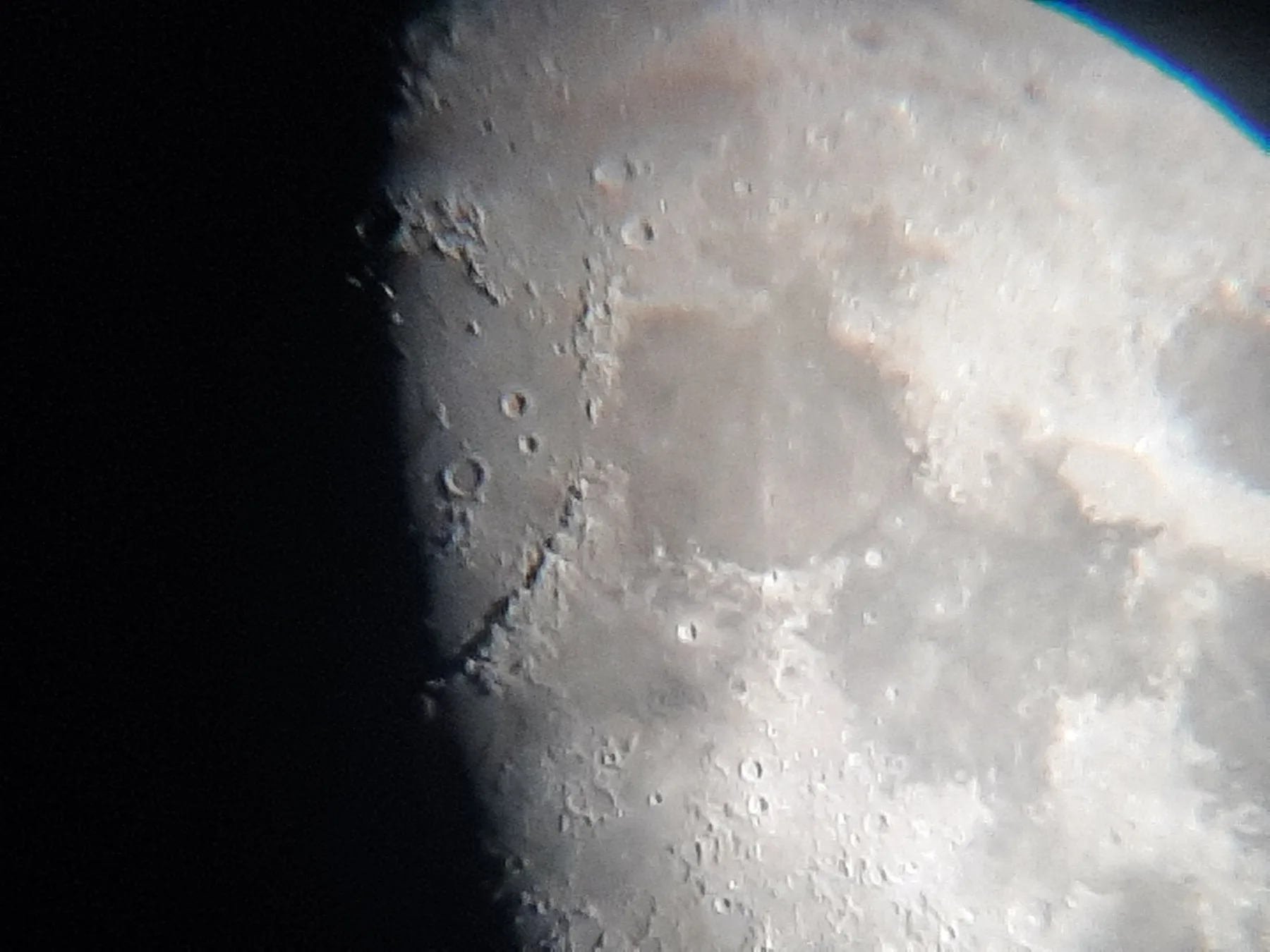
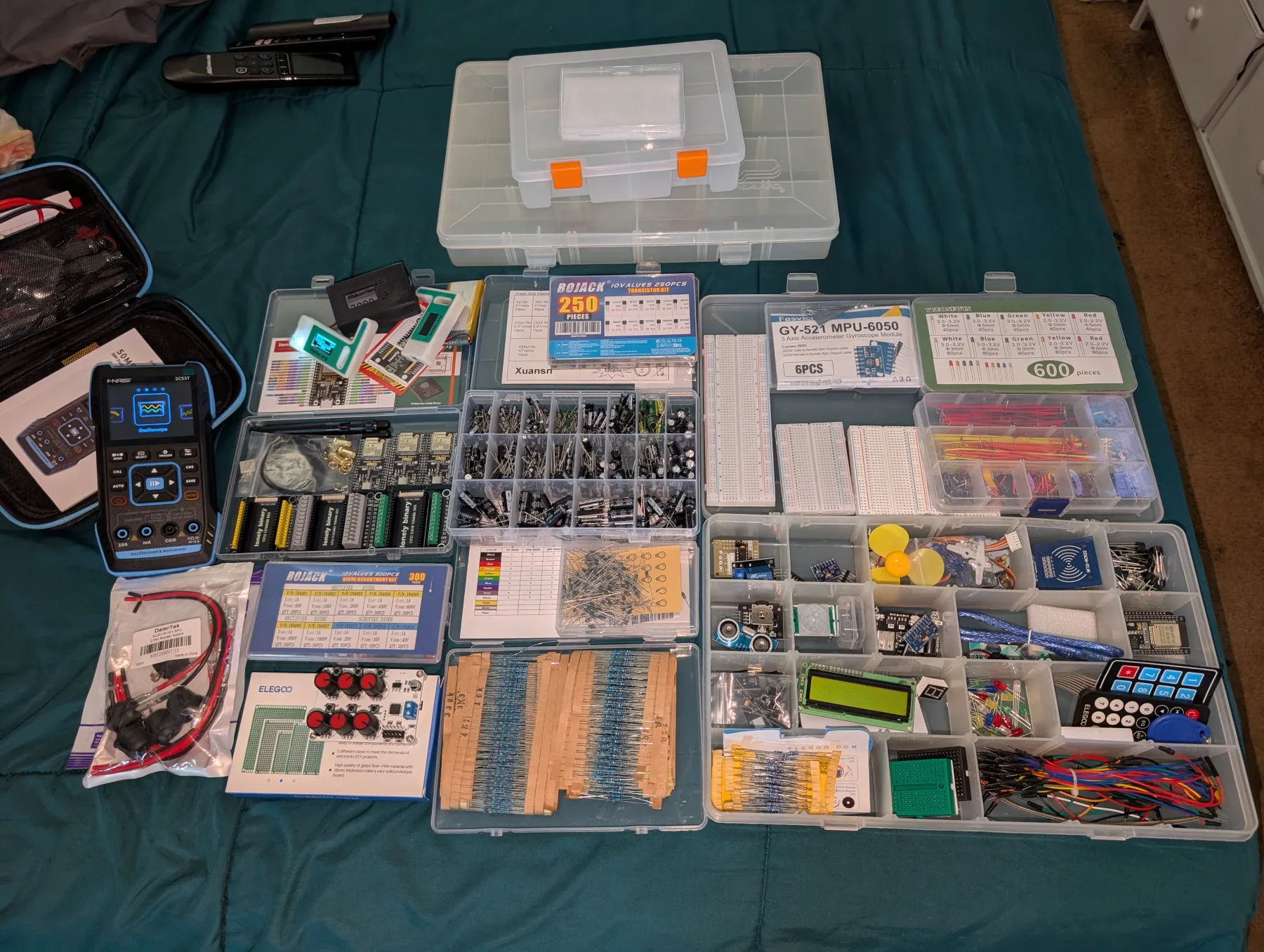
Then I built routines around what my body would allow. What’s still possible? I picked up a new, light chore regimen around the house. I got some fish to learn about and care for. I upgraded my desk for more comfort and adjustability. I got even more portable music gear. My wife got me a telescope.
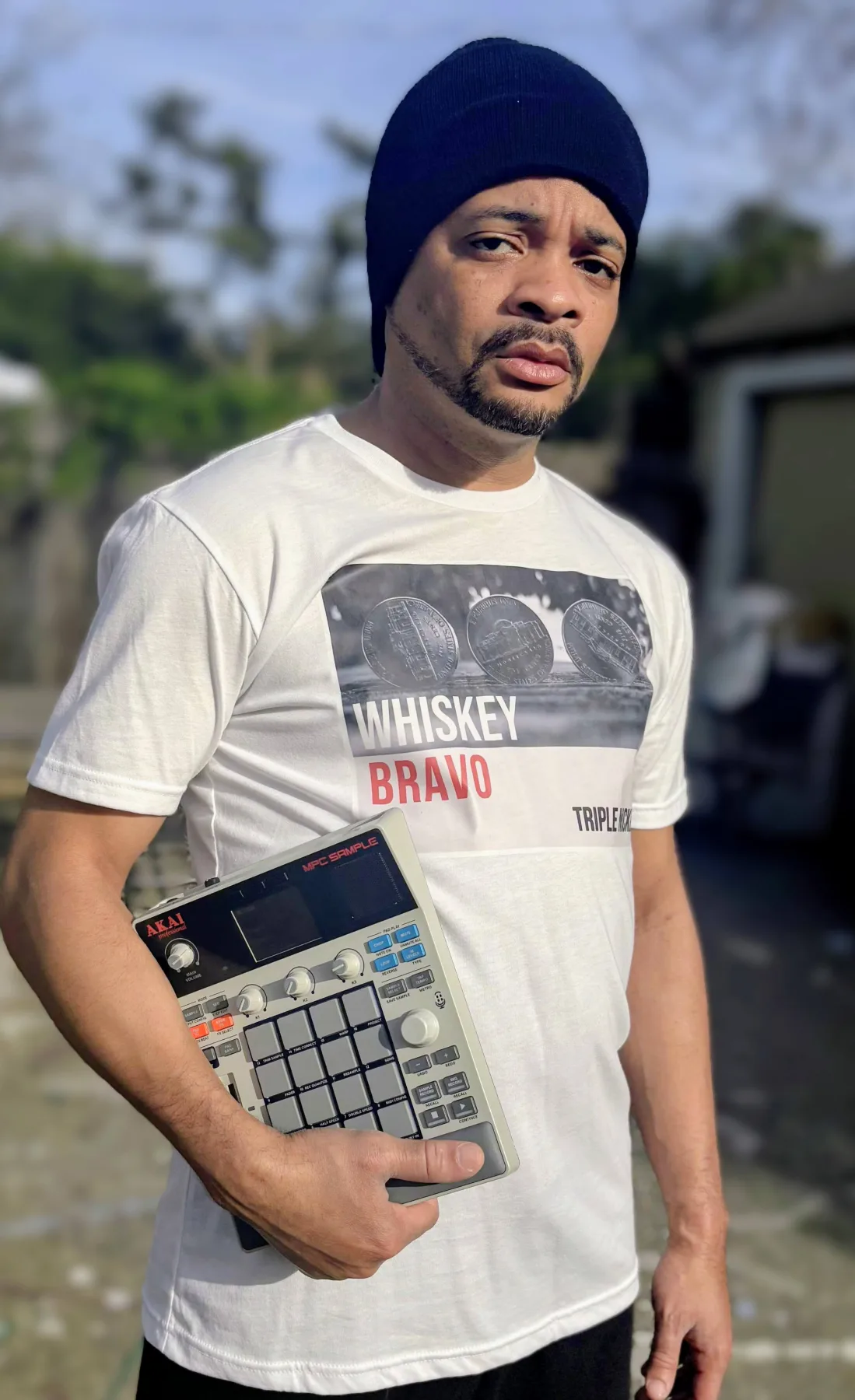
By mid-May, it had been months since I’d played drums with Tainted Dream. Telling my bandmates I might be out for months—maybe forever—had been painful. They auditioned drummers and rehearsed a few times, but never landed on a replacement. Then I had an idea: if I can’t play drums, maybe I can play pads? I was already using an electronic kit. What did it matter whether I hit drums with sticks or pads with my fingers? We had a long-overdue reunion rehearsal—in a brand-new space, to boot—and it was fantastic!
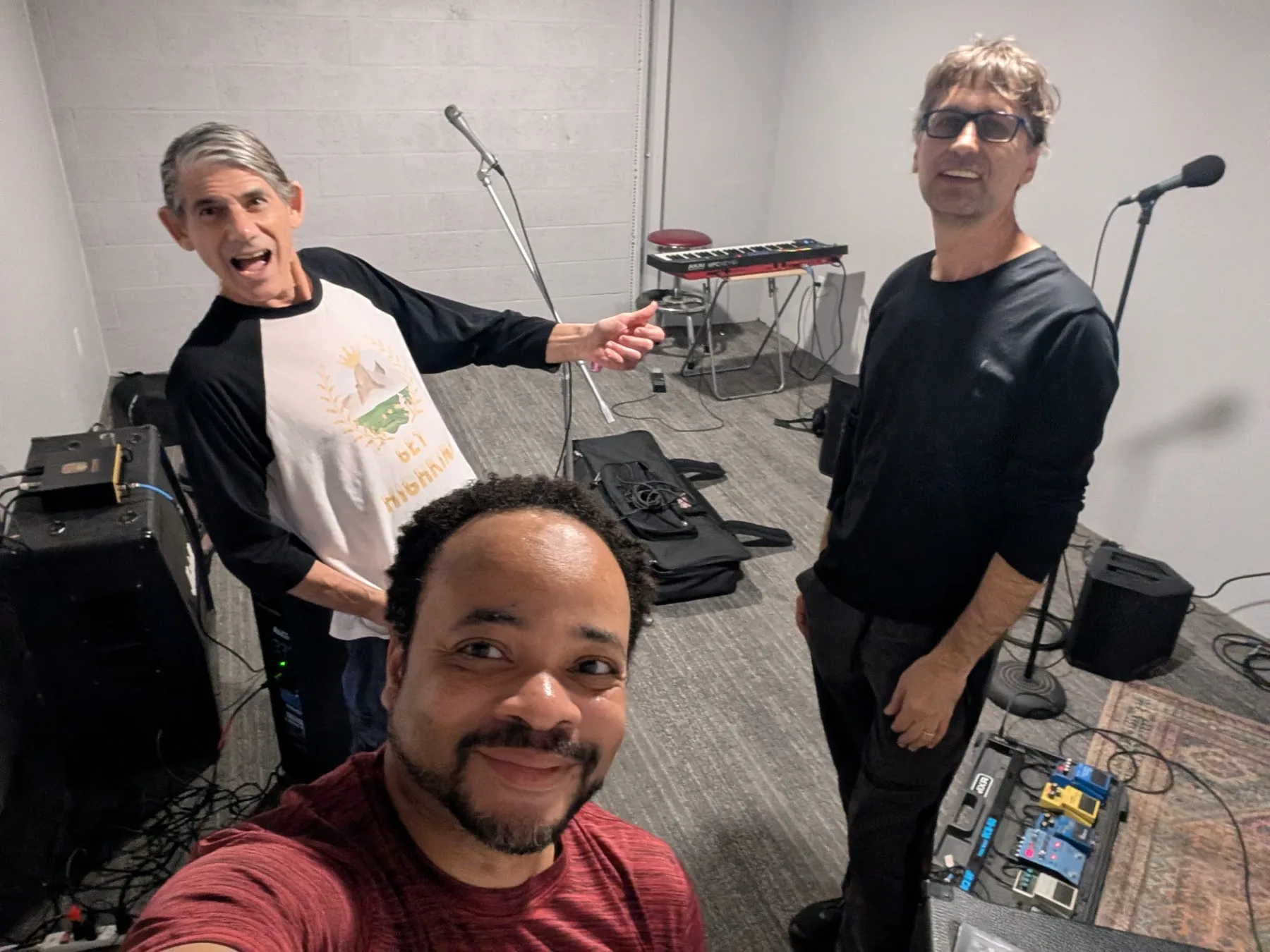
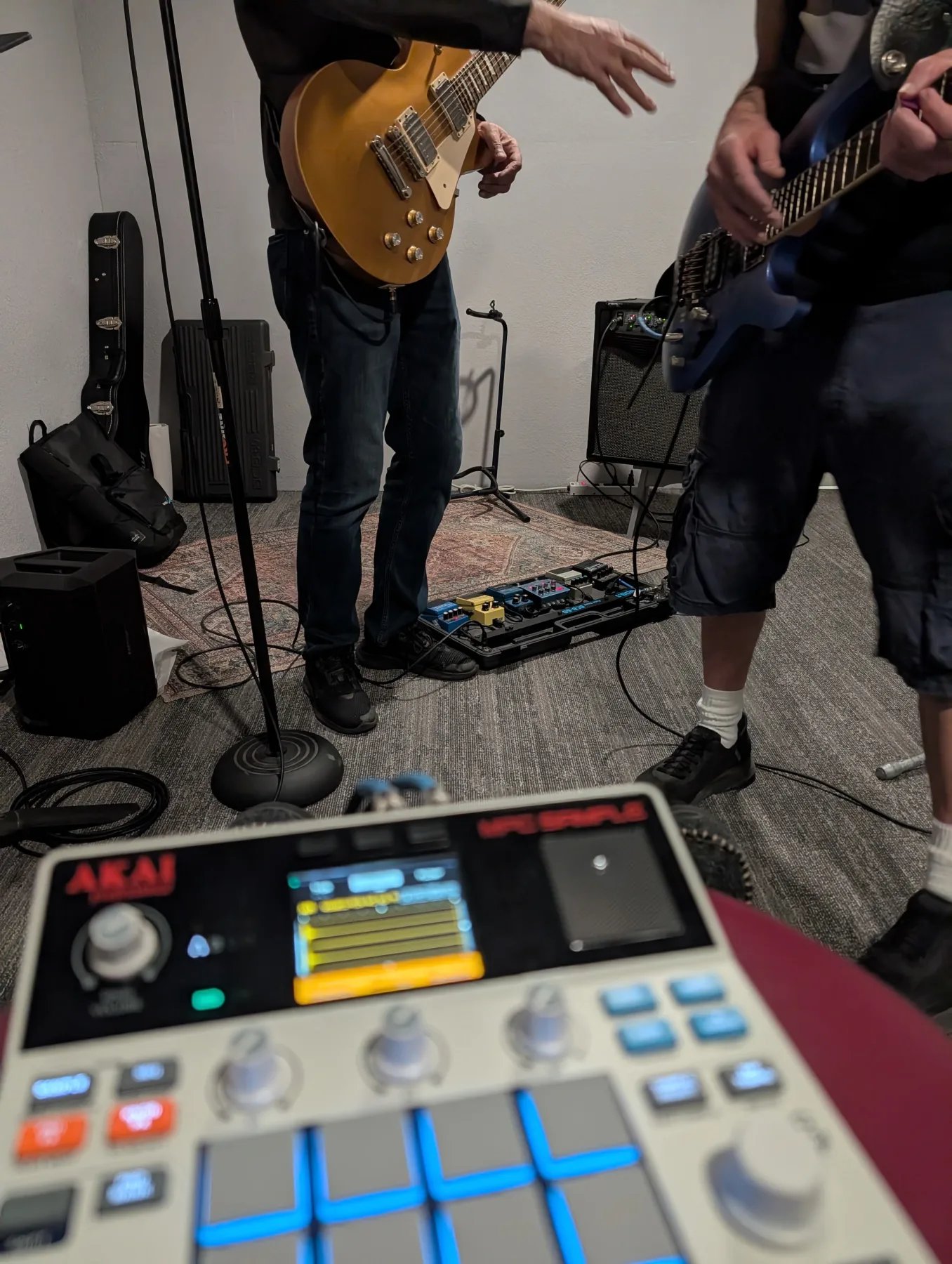
It wasn’t quite the same, but it was good enough! I worked through the pain long enough for us to shake some dust off most of our catalogue. I couldn’t drive, so Ziad had picked me up. On the way home, Kaiser called. I have a surgery date!
It is hard to explain the relief of simply having a date. The light at the end of the tunnel was no longer fuzzy and distant. It was real, crisp, something I could count down to. That made the final six or seven weeks much easier, at least mentally.
Surgery, Then Normal
By the time surgery came, I was oddly calm. Not because it wasn’t serious, but because I’d already accepted it. I trusted the surgeon—familiar hands, a team I’d known before—and that trust outweighed the what-ifs. The morning was almost understated. My wife drove, we checked in, I’ll see you on the other side: a quiet, matter-of-fact send-off.
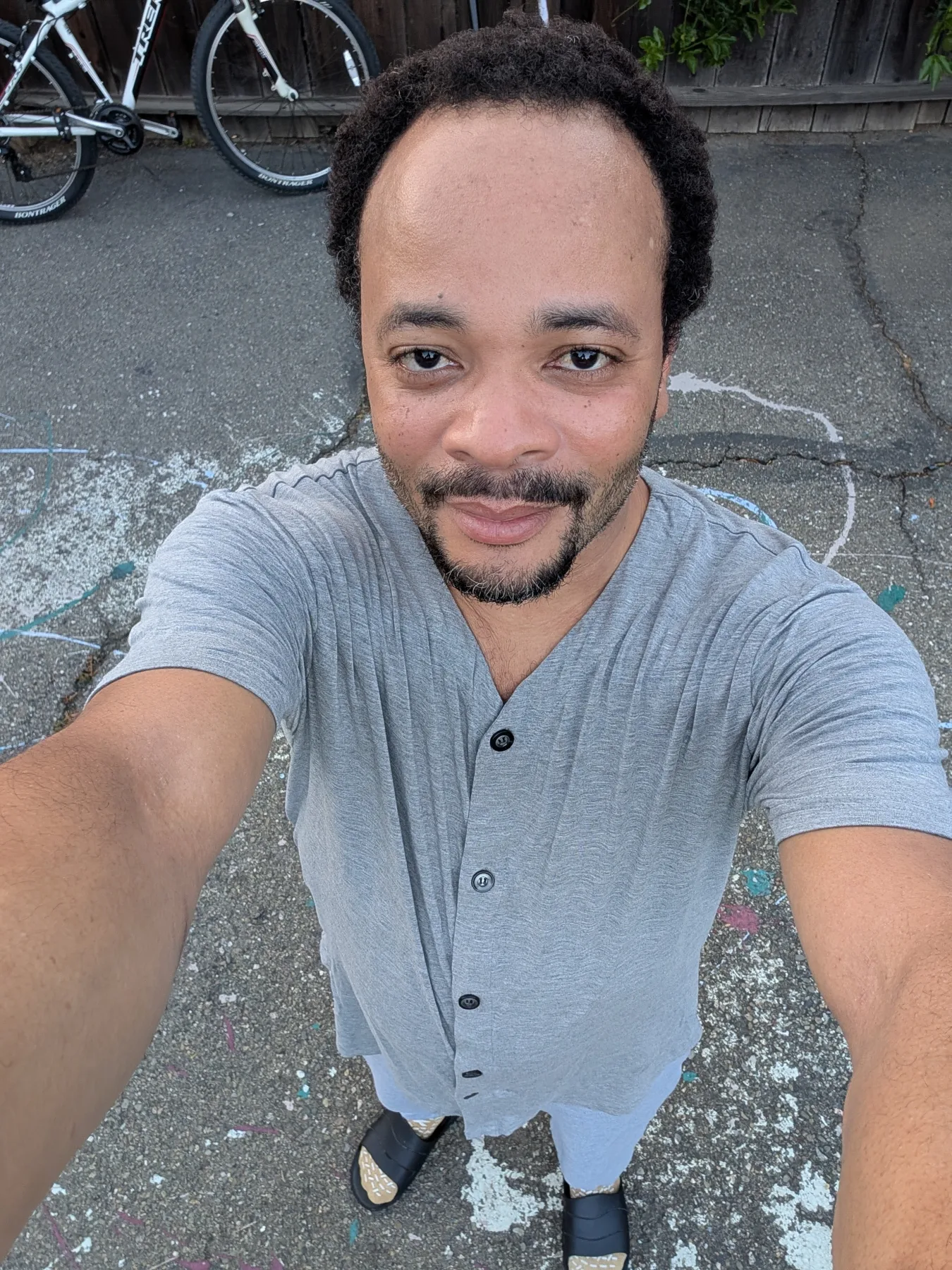
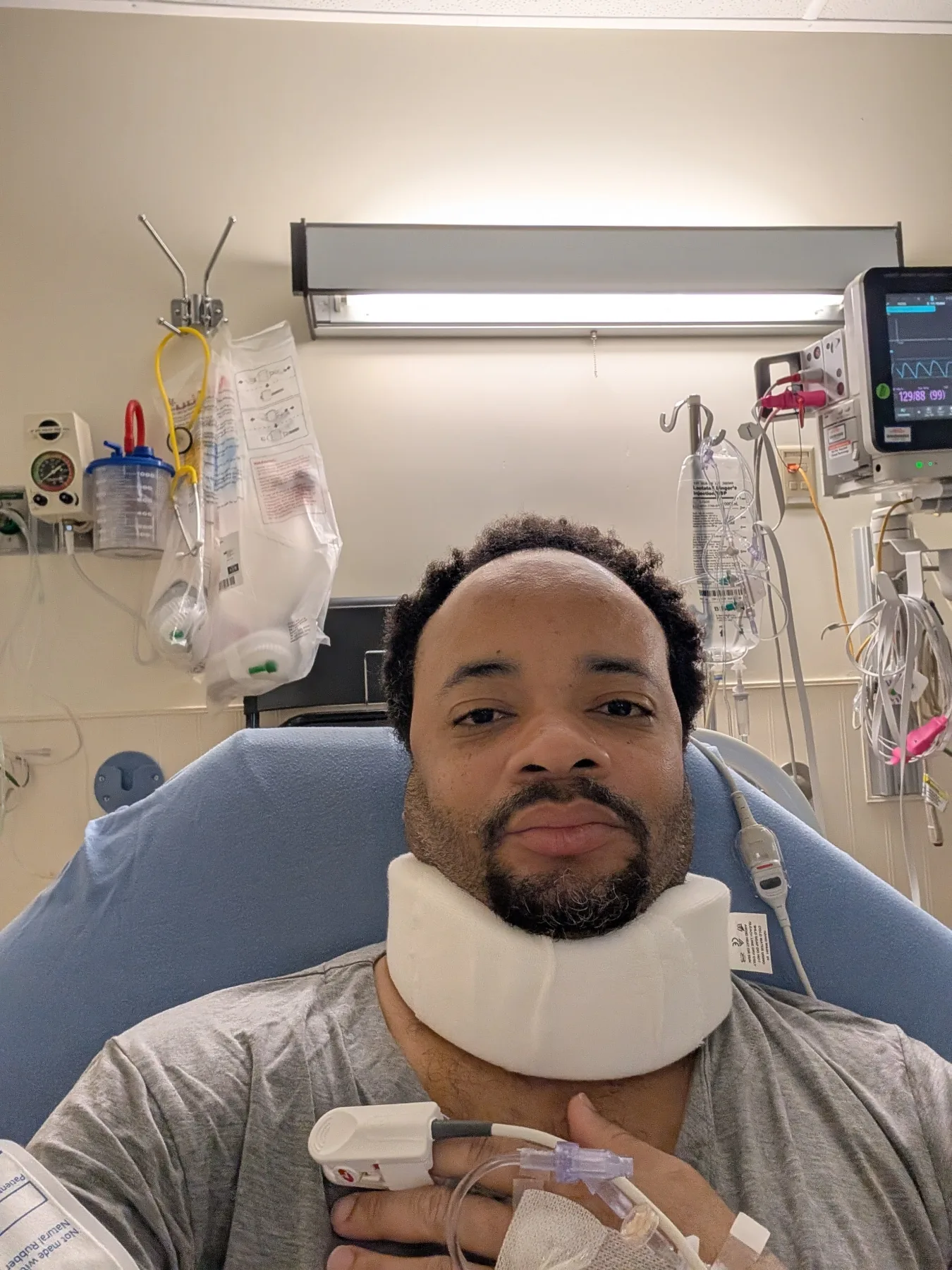
It is a miracle of modern medicine that mere hours after serious spinal surgery, I was taking a slow walk around my neighborhood. I could not be more grateful for the skill and care of my medical team. My new scar will hardly be visible.
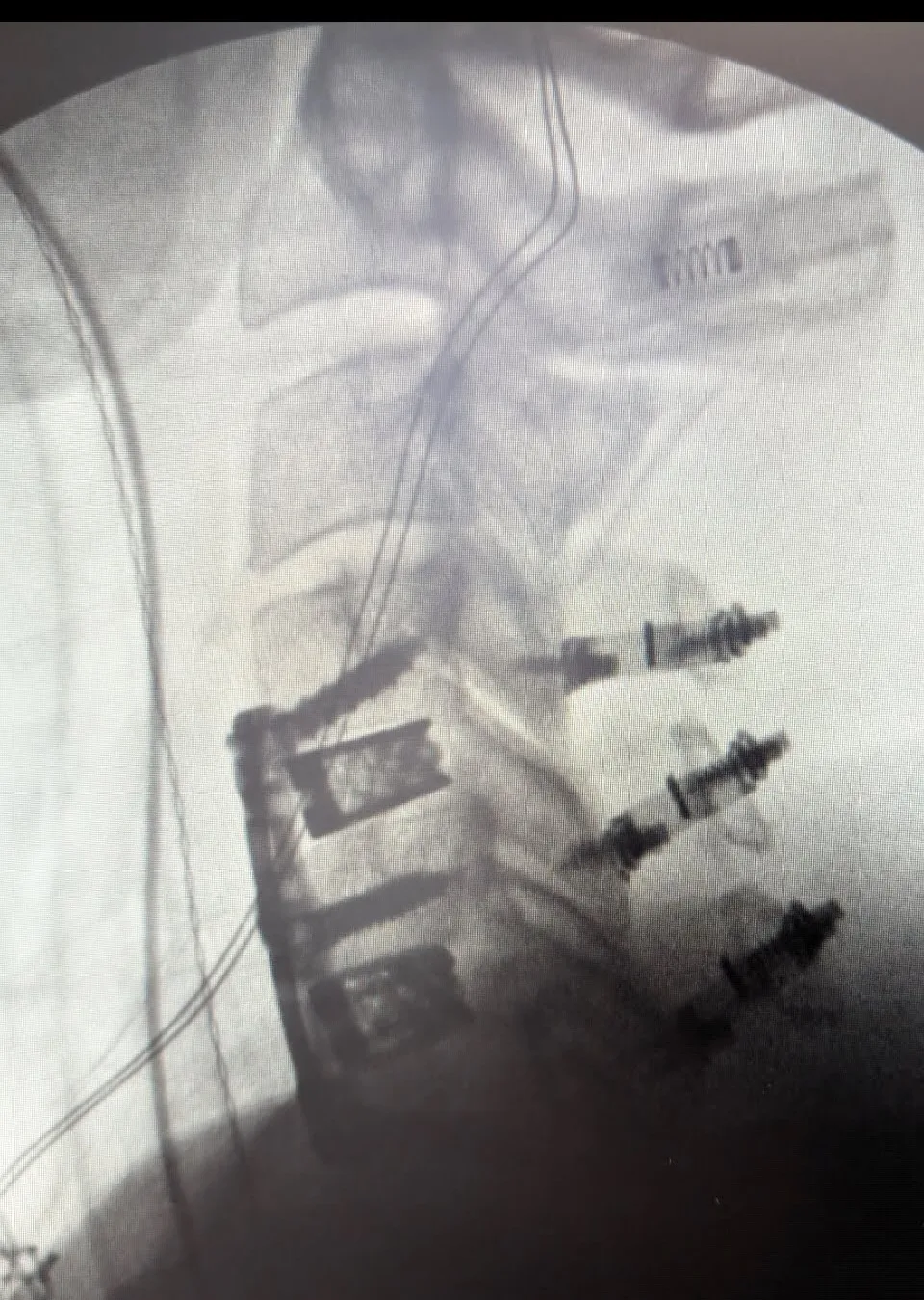
It has now been nearly six weeks since surgery. I am completely off pain medication, exercising daily, sleeping regularly, and feeling fantastic. Recovery went much faster and more smoothly than I dared hope. My muscles and nerves needed time to settle into their new reality, but since then, I have been mostly pain-free!
It is hard to explain just how great “normal” feels after such a long period of neuropathic pain.
Normal is sleeping for several hours without waking up and rearranging five pillows, trying to find a position my nerves will tolerate. Normal is sitting at my desk for a while without thinking about it. Normal is picking something up, going for a walk, working on a project, or reaching for something without first calculating what it might cost me later.
Normal is wonderfully, spectacularly boring.
Resilience as Adaptation
There were certainly moments over these past several months when things were scary, painful, frustrating, or just plain miserable. I don’t want to romanticize any of that. Given the choice, I would happily have skipped the entire experience.
But since I didn’t have that choice, I did have another one: how I responded to it.
I’ve thought a lot about resilience. I used to associate it with pushing through. Grit. Determination. Putting your head down and refusing to stop.
I’m not sure I see it that way anymore.
Sometimes pushing through is exactly the wrong thing to do. One of my most important decisions was to stop pushing through work and give my health my full attention. If you don’t have your health, eventually you don’t have much of anything else. No project, deadline, promotion, or professional obligation is worth letting yourself deteriorate indefinitely.
Resilience, at least this time around, looked more like adaptation.
If I couldn’t do something for an hour, could I do it for five minutes?
If I couldn’t play drums, could I play pads?
If I couldn’t build something, could I read about it?
If I couldn’t do the things that normally gave structure to my day, what new routines could I create?
What is still possible?
That question became something of a refrain for me.
My world got smaller for a while, but my future never disappeared. There was always something I could do. Something to learn. Something to care for. Something to look forward to. And sometimes the thing I could do was simply accept that today was going to hurt, do what my body allowed, and try again tomorrow.
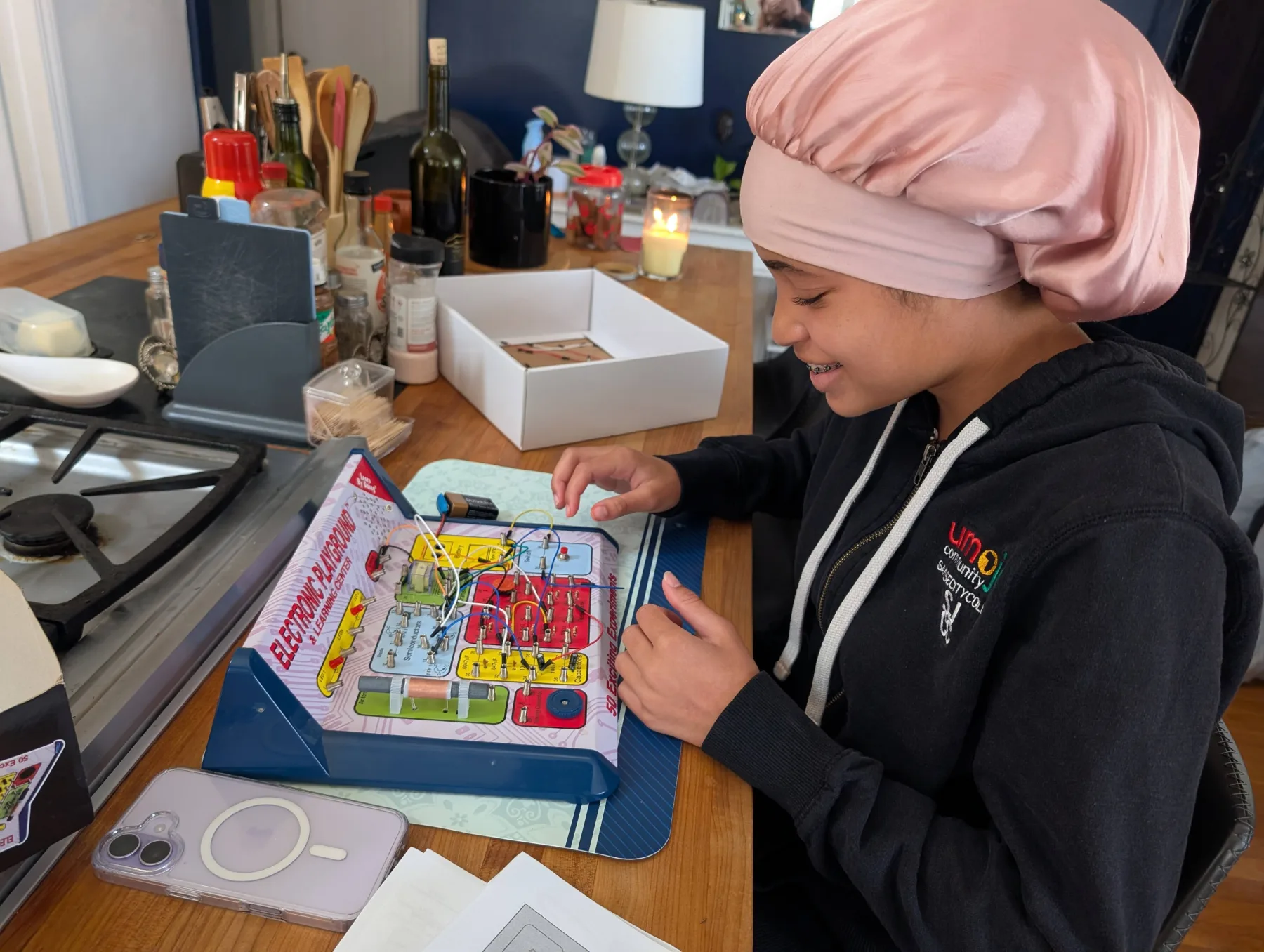
That may be the thing I am proudest of from this whole experience.
Both Things Can Be True
My wife, sister, and others told me they were surprised I stayed as positive as I did. That positivity did not come from believing everything was fine. It very obviously wasn’t.
It came from accepting what was true without allowing it to become the only thing that was true.
I was in tremendous pain.
And I had a family around me who loved me.
I couldn’t play drums.
And I found another way to make music with my friends.
I couldn’t work the way I normally worked.
And I had colleagues and a company that gave me the space to get healthy.
I couldn’t control when surgery would happen.
And once I finally had a date, I could count the days.
I couldn’t know for certain whether surgery would work.
And I had an excellent surgeon, a previous successful outcome, and good reason to hope.
Both things can be true.
I’m enormously grateful to the people who made it possible for me to concentrate on getting well. My wife and family carried more than their share while giving me room to recover. My friends kept me connected to the parts of life I was missing. My medical team took something that had steadily reduced my quality of life and, through an astonishing combination of knowledge, technology, and human skill, gave it back to me.
I am particularly grateful to my manager, my team, and Cisco. Stepping away from work for this long was frightening. I worried about my responsibilities, the people who depended on me, and—especially in the current climate—whether a job would be waiting on the other side. Instead, I was given something tremendously valuable: time, support, and permission to get healthy. I don’t take that for granted.
Time and Health
There is another lesson in there, too.
For most of my adult life, I’ve been working. Building things. Solving problems. Raising a family. Moving from one project to the next. Even vacations have generally been measured in days, not months.
For the first time in decades, I had a genuinely large stretch of unstructured time.
Ironically, I couldn’t use much of it the way I would have wanted.
The experience made me much more conscious of the relationship between time and health. Having one without the other isn’t quite freedom. I have a new appreciation for the ordinary stretches of life when I have both.
I intend to make good use of them.
I’m not quite finished recovering yet. There is still strength to rebuild, physical therapy to do, and a body that deserves a little patience after everything it has been through. On August 17, another chapter begins as I return to work after nearly five months away.
That will be its own story.
For now, though, I’m content to leave this one here.
Nearly five months ago I was trying to figure out how to live inside a body that seemed determined to make almost everything I loved doing hurt. Today, I can sit here and write that I am sleeping again. Exercising again. Making things again. Making music again. Looking forward again.
And, most remarkably of all, much of the time I don’t think about my neck or my arm at all.
I just live.
Ask the Question Again
I don’t know what adversity you might be facing. Physical pain is only one way life can suddenly narrow around us. Financial problems, loss, uncertainty, failure, illness, relationships—there are countless ways to find ourselves living inside circumstances we never would have chosen.
I don’t believe we can positive-think our way out of those things. Sometimes things are simply hard. Sometimes they hurt. Sometimes there is no clever solution available today.
But I’ve come away from this experience believing even more strongly that there is tremendous power in asking one simple question:
What is still possible?
Find that thing.
Do it for an hour if you can.
Do it for five minutes if that’s what you’ve got.
Adapt when you need to. Accept what you can’t change today. Take help when it is offered. Give yourself permission to put down things that suddenly aren’t as important as you thought they were.
And then, tomorrow, ask the question again.
I discovered over these past five months that I had more resilience than I knew.
Maybe you do, too.